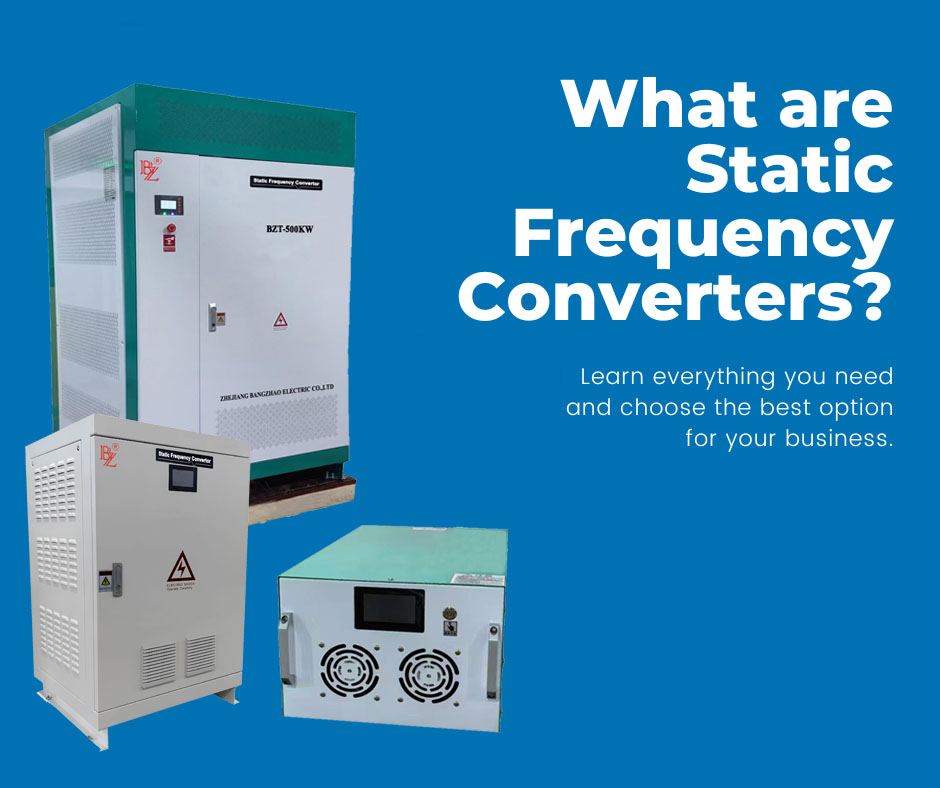
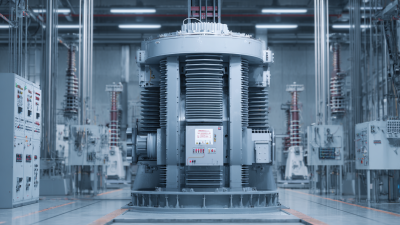
In today’s constantly changing energy scene, Static Frequency Converters, or SFCs for short, are more important than ever. They’re used in all sorts of areas — from industrial setups to renewable energy projects. You know, a report from Grand View Research estimates that the global power converter market could hit around $50 billion by 2025. That’s mainly because there’s a growing need for smarter, more efficient ways to manage power. Bangzhao Electric Co., Ltd. has been leading the charge in this space for over ten years, offering top-quality solutions like lithium battery storage and static phase converters. SFCs really shine when it comes to making energy use more efficient, boosting system reliability, and cutting down operational costs. If you get a good grasp of how Static Frequency Converters work, you’ll be able to improve system performance and make sure they play nicely with different energy setups and applications.
Key Concepts of Static Frequency Converters You Should Know
You know, static frequency converters, or SFCs for short, are actually pretty important when it comes to electrical systems. They basically let you change one frequency into another, making sure all your different electrical devices can play nicely together. If you want to get the most out of SFCs, it’s good to understand some basic stuff first. For instance, one key point is the difference between the input and output frequencies. Usually, the SFC takes in power from the grid at one frequency and then converts it to whatever frequency your equipment needs — kind of like a translator for electricity.
Another thing to keep in mind is the modulation technique used inside these converters. Pulse Width Modulation, or PWM, is pretty common. It’s a nifty way to control the output’s frequency and voltage really precisely. This not only boosts performance but also helps cut down on harmonic distortion, making the whole system more efficient and reliable. Oh, and knowing the different types of SFCs — like voltage-source and current-source converters — really comes in handy when you’re picking the right one for your setup. Choosing the right type means better energy use and a smoother overall operation.
Understanding the Operating Principles of Static Frequency Converters
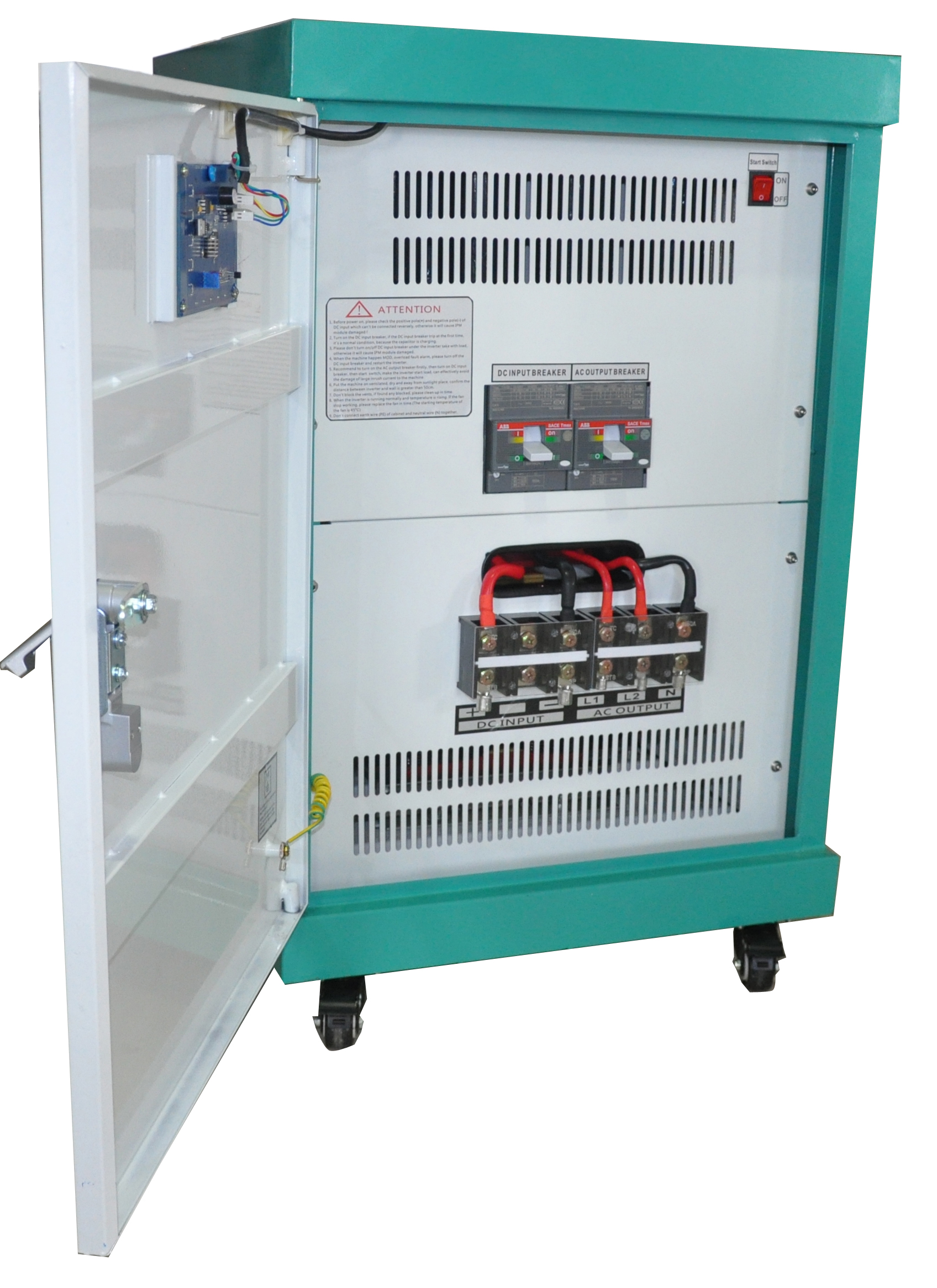
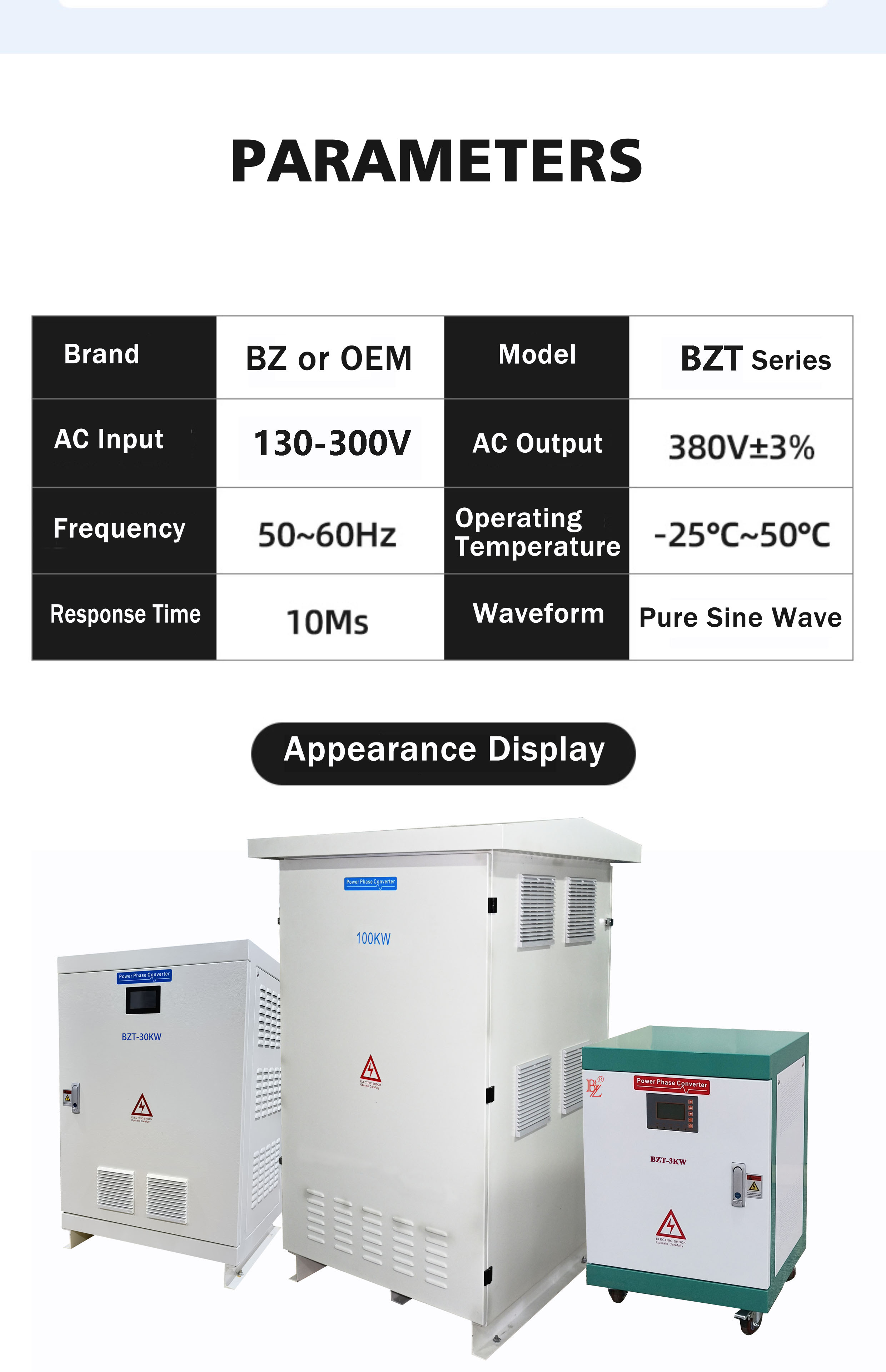
You know, static frequency converters, or SFCs for short, are pretty essential when it comes to switching up electricity from one frequency to another. They’re the behind-the-scenes heroes that make sure different electrical systems work smoothly together. So, how do they do it? Well, most SFCs use these really clever semiconductor devices like thyristors and IGBTs. These components help them finely tune the voltage and frequency so that whatever equipment you're plugging in gets just the right power. The basic idea is pretty straightforward—first, the AC power gets converted into DC (think of it like translating it into a steady, uniform current), and then it gets flipped back into AC at whatever frequency you need.
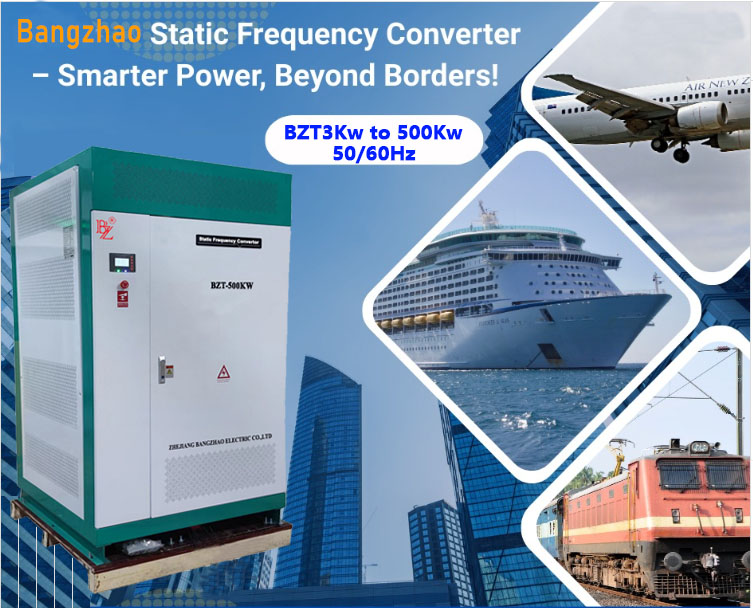
Another thing worth knowing is how these converters are controlled. Most of them rely on advanced techniques like pulse-width modulation, or PWM for short. This helps regulate the output voltage and keep the frequency just right. It’s essentially like having a really precise dimmer switch for electricity—it makes things run more smoothly and cuts down on unwanted electrical noise, or harmonics, that could mess up your gear or cause damage. Oh, and cooling! That’s another key point. Since these devices generate quite a bit of heat, good thermal management and cooling are super important for keeping them performing their best and lasting longer. Get a grip on these basics, and you’ll really start to see just how crucial static frequency converters are in today’s electrical setups—without them, a lot of modern machinery wouldn’t run as reliably as it does.
Identifying Common Applications for Static Frequency Converters
You know, static frequency converters (or SFCs) might not be a household term, but they actually play a pretty important role in a bunch of industrial applications. Like, especially in renewable energy setups—think wind turbines. They handle electricity that's generated at these varying rotor speeds and convert it into a steady, reliable frequency, so it can smoothly flow into the power grid. Without them, it’d be much harder to make sure we’re using energy efficiently and keeping the power supply dependable.
And it’s not just energy stuff—SFCs are also a big deal in transportation, like with electric trains and trams. These vehicles need a stable power source to run smoothly, even as their speed and loads change. SFCs pull this off by converting the power to the right frequency, making sure everything runs seamlessly. Oh, and in industrial plants, they come in handy too—helping machinery run at just the right speeds and keeping things working efficiently. So, when you look at all these uses, it really shows just how versatile and essential static frequency converters are in our tech-filled world.
Assessing the Benefits of Using Static Frequency Converters
Static frequency converters, or SFCs for short, actually bring quite a few benefits that make them super important in today's electrical setups. One of the biggest perks? They can change the frequency of the power supply, which means they help different types of equipment that run at various speeds work smoothly together. This kind of flexibility is a lifesaver, especially in things like renewable energy systems or when you’re dealing with variable speed drives—because keeping everything running just right is really key.
And honestly, SFCs are pretty efficient when it comes to managing energy. They convert electrical power effectively, so there's less wasted energy, which can cut down on costs in the long run. Plus, they’re good at smoothing out voltage swings, protecting delicate equipment from damage and making the whole system more reliable. That’s a big deal in industrial environments where even a short downtime could cost a fortune. All in all, bringing static frequency converters into the mix not only boosts operational efficiency but can also save businesses some serious money over time.
Troubleshooting Tips for Static Frequency Converters
Troubleshooting Static Frequency Converters, or SFCs for short, can often feel pretty intimidating. I mean, trying to sort out problems with these devices is definitely not a walk in the park, but honestly, it's super important if you want things to run smoothly in industrial setups. One of the most common headaches? Output voltage weirdness — it's usually tied to fluctuations in the input power supply. Interestingly, the IEC (you know, the folks setting international standards) say that keeping your input voltage steady can cut down SFC faults by as much as 40%. So, regular checks and investing in good-quality transformers for your input line can really make a big difference here.
Another thing that trips people up is overheating parts. Data from the Electric Power Research Institute shows that around 30% of SFC failures happen because of thermal overload. The good news? It’s pretty easy to prevent if you make sure your cooling systems are up to the task, and you do thermal imaging inspections now and then.
Also, setting up a routine maintenance schedule isn’t just a good idea — it actually helps extend the life of your converters and keeps everything running at peak performance. If you keep these troubleshooting tips in mind, you'll be able to keep your Static Frequency Converters working reliably and efficiently, which means less downtime and more productivity overall.
Comparing Static Frequency Converters with Other Power Conversion Methods
Static frequency converters, or SFCs for short, are a pretty important piece of tech when it comes to power conversion. Basically, they help tweak electrical frequencies so they fit whatever application you’re working with. Now, if you compare SFCs to other options out there—like rotary frequency converters (RFCs) or variable frequency drives (VFDs)—you’ll notice each one has its own pros and cons. SFCs are often more compact and tend to be more efficient, which makes them a real hit in industries where you need precise control over motor speed and torque.
On the flip side, rotary frequency converters are great for handling bigger power loads over longer periods—they’re usually more durable because of their mechanical parts. Still, in today’s world where space is tight and energy savings matter a lot, SFCs usually come out on top. As for VFDs, they’re pretty good at controlling speed and saving energy, but when it comes to changing frequencies, they might not match the performance of SFCs. Knowing these differences is pretty important if you want to pick the right power conversion method, so your system runs smoothly and stays reliable.
5 Essential Tips for Understanding Static Frequency Converters - Comparing Static Frequency Converters with Other Power Conversion Methods
| Comparison Factor | Static Frequency Converters | Other Power Conversion Methods |
| Efficiency | 90-98% | 85-95% |
| Power Rating | 1 kW to 100 MW | 0.5 kW to 50 MW |
| Weight | Lightweight solutions available | Generally heavier |
| Control Accuracy | High precision | Moderate precision |
| Application Range | Industrial drives, HVAC systems | General power supply, small motors |
FAQS
: Common issues include output voltage irregularities linked to input supply fluctuations and overheating components, which contribute to SFC faults.
Maintaining a consistent input supply voltage can reduce SFC faults by up to 40%. Regular monitoring and using high-quality input transformers are recommended.
Approximately 30% of SFC failures are due to thermal overload according to data from the Electric Power Research Institute (EPRI).
Adequate cooling systems should be in place, and regular thermal imaging inspections should be conducted to identify potential overheating issues.
A routine maintenance schedule prolongs the lifespan of converters and enhances performance efficiency, ultimately reducing downtime and increasing productivity.
SFCs are compact and highly efficient, making them suitable for precise control of motor speed and torque, while RFCs are better for higher power levels over extended periods and have a longer lifespan due to mechanical components.
VFDs provide speed control and energy savings but might not be as effective as SFCs for frequency conversion tasks.
SFCs are particularly favored in modern applications where space and energy efficiency are critical.
Understanding the distinct advantages and drawbacks of SFCs, RFCs, and VFDs is essential for selecting the right power conversion method to optimize system performance and reliability.
Conclusion
Static Frequency Converters, or SFCs for short, are pretty important when it comes to lots of industrial and commercial setups. Basically, they take a fixed frequency power supply and turn it into a variable one—kind of like giving your electrical system more flexibility. If you're trying to figure out which SFC is right for your project, it helps to get a grip on how they work and what they’re typically used for. The cool thing about SFCs is that they boost efficiency and can make your equipment run smoother, so it’s no surprise they’re used everywhere—from renewable energy plants to ships and boats.
That said, it’s also good to be aware of potential hiccups that might pop up when dealing with SFCs. Comparing them to other power conversion options can give you a clearer picture of their unique perks. At Bangzhao Electric Co., Ltd., we’ve been all about offering integrated solutions—including static frequency converters—for over ten years. Our goal? To make sure your energy storage and power management systems run reliably and perform at their best.